 Birds Galaxy
Quick facts
| Size | About 30 cm |
|---|---|
| Weight | 75 – 157 g |
| Lifespan | 20 – 30 years |
| Comes from | Australia, New Guinea and Indonesia |
| Eggs per clutch | Usually 2 |
| Incubation | About 25 days |
About rainbow lorikeets
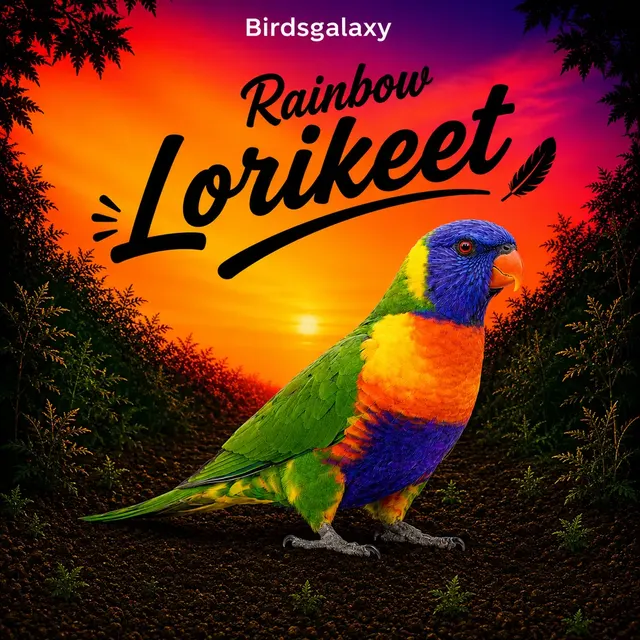
Rainbow lorikeets have a blue head, green back, orange-yellow chest and a red beak. In the wild they feed on nectar, pollen and soft fruit, using a brush-tipped tongue. They are energetic, loud, playful and very social, and they need more work than most parrots, mainly because of their diet.
The lorikeet diet
Lorikeets can't live on seed. Feed a commercial lorikeet nectar (wet or dry mix) made for lories and lorikeets, plus plenty of fresh soft fruit and vegetables: apple (no pips), pear, papaya, melon, berries, grapes, corn on the cob, sweet potato and leafy greens. Edible flowers such as hibiscus are a treat.
- Wet nectar spoils fast. Replace it at least twice a day (more often in hot weather) and wash the dish each time.
- Never use honey or table sugar as a nectar substitute.
Never give avocado, chocolate, caffeine (tea, coffee, cola), alcohol, salty or fried food, onion or garlic. Fruit seeds and pits (apple pips, cherry and peach stones) should be removed. Fumes from non-stick (PTFE / Teflon) pans and aerosol sprays can kill a bird in minutes, so keep birds well away from the kitchen.
Cage, mess and cleaning
Lorikeets are active and need a large cage or, better, an aviary: at least about 90 cm long for a single bird, with lots of perches and toys. Because of their liquid diet, their droppings are wet and squirty, so place the cage on an easy-clean floor, use washable or paper liners and clean every day.
They love bathing. Offer a shallow bath daily if you can.
Daily care and health
Hygiene is the most important part of lorikeet care, because sticky nectar grows bacteria and yeast quickly. Clean dishes and perches daily.
Birds hide illness until they are quite unwell, so small changes matter. See an avian vet (a vet who treats birds) quickly if your bird:
- sits fluffed up for long periods, or sleeps much more than usual,
- stops eating, or loses weight (a kitchen scale in grams helps you notice),
- has a bobbing tail when breathing, clicks or wheezes,
- has droppings that change colour or become very watery for more than a day,
- has discharge from the eyes or nostrils, or sits on the cage floor.
Male or female?
Males and females look the same, so a DNA test is the reliable way to tell them apart.
Breeding rainbow lorikeets
Breed only healthy adults, usually from about 2 years old. Give a nest box of about 25 × 25 × 40 cm with wood shavings. Expect a messy nest box from the wet droppings, so check and change the bedding carefully.
- A hen usually lays 2 eggs.
- Eggs hatch after about 25 days.
- Chicks leave the nest at around 8 weeks.
Record clutches and pedigrees in the free Birds Galaxy app.
Colours and genetics
Lorikeet mutations include Blue, Olive, Lutino, Cinnamon and Pied types, among others. The Birds Galaxy app has a rainbow lorikeet mutation calculator with results for sons and daughters.
Buying and the law
Rainbow lorikeets are on CITES Appendix II, and some places, such as parts of Western Australia and New Zealand, treat them as pests where they are not native. Check your local rules and buy captive-bred birds only.
Track your birds, clutches and pedigrees, ask the Bird Care Assistant, and work out chick colours, all in the free Birds Galaxy app.
Get the appFrequently asked questions
Can rainbow lorikeets eat seed?
Not as their main food. They need a nectar-based diet with fresh fruit and vegetables. Seed alone makes them ill.
Why are lorikeet droppings so watery?
Because their nectar diet is mostly liquid. Watery droppings are normal for lorikeets, so watch for changes in colour or amount instead.
Are rainbow lorikeets good pets?
For experienced keepers with time to clean every day, they are fun and affectionate. They are loud and messy, so they are not the easiest first bird.
How long do rainbow lorikeets live?
Often 20 to 30 years with good care.
This guide is general information, not veterinary advice. If your bird seems unwell, contact an avian vet.
More care guides